January 5, 2026
Water is the lifeblood of any household, essential for cooking, cleaning, and personal hygiene. We rely on the intricate network of pipes hidden behind our walls and beneath our floors to deliver this resource safely and efficiently. However, when this system is compromised, water becomes one of the most destructive forces a homeowner can face. A water leak is not merely a nuisance; it is a silent aggressor that can erode the structural integrity of your property, encourage the growth of hazardous mold, and drain your bank account. The most dangerous leaks are often the ones you cannot see immediately. They lurk behind drywall or under concrete slabs, causing significant damage long before a puddle appears on the floor.
Detecting a leak early is the single most effective way to mitigate damage and reduce repair costs. Many homeowners dismiss subtle warning signs as quirks of an older house or minor issues that can wait. This procrastination can be costly. Understanding the indicators of a plumbing breach allows you to act proactively rather than reactively. By staying vigilant and knowing what to look (and listen) for, you can protect your investment. Below, we explore the most common signs that your home is suffering from a hidden water leak and why professional plumbing services are often necessary to resolve the issue.
Unexplained Spikes in Your Water Bill
One of the most reliable indicators of a water leak doesn't appear on your walls or floors, but in your mailbox. Your monthly water bill tells the story of your household's consumption habits. If you notice a sudden, significant increase in the amount due, and your usage habits haven't changed—you haven't filled a swimming pool or hosted houseguests for a month—you almost certainly have a leak. Even a small, steady drip can waste a shocking amount of water over the course of a billing cycle.
It is easy to underestimate the financial impact of a minor leak. According to the EPA, fixing easily corrected household water leaks can save homeowners about 10% on their water bills. This statistic highlights that leaks are not just a plumbing issue; they are a budgetary issue. If your bill is climbing steadily month over month, or if it jumps suddenly, check your toilets, faucets, and irrigation systems, and be sure to hire an expert for plumbing services. If no visible sources of waste are found, the leak is likely hidden within the infrastructure of your home, requiring professional detection equipment to locate.
Running Water When Taps Are Off
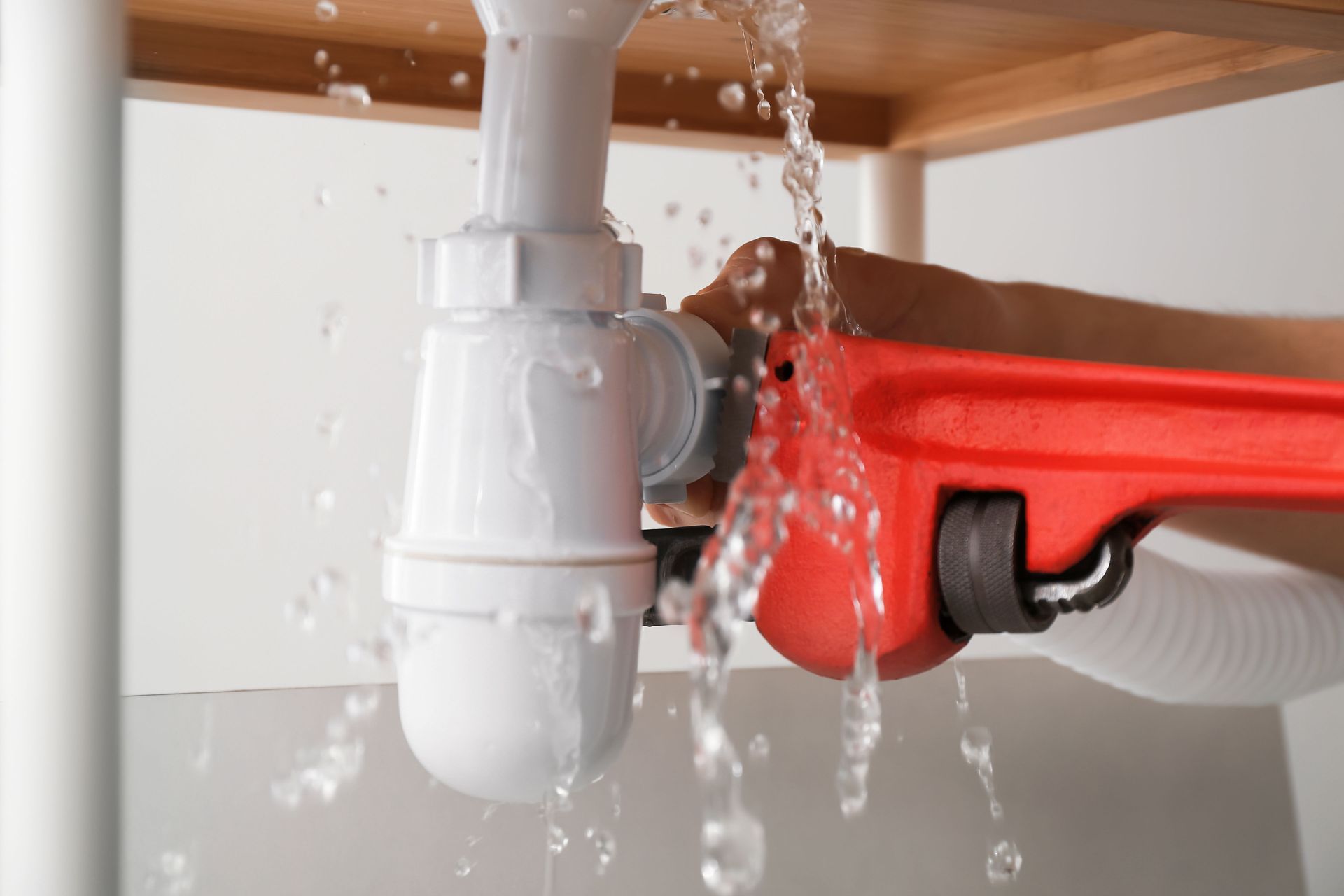
Your home should be relatively quiet when no appliances are running. If you hear the sound of rushing water, hissing, or dripping when the washing machine is off, the dishwasher is empty, and no one is in the shower, investigate immediately. This phenomenon, often described as "phantom water," usually indicates that water is moving through your pipes to escape a breach. The volume and pitch of the sound can sometimes help locate the issue; a hiss often indicates a crack in a pressurized pipe, while a splashing sound might suggest a drain line leak.
Sometimes, the sound comes from the toilet. A flapper valve that doesn't seal properly allows water to trickle continuously from the tank to the bowl, triggering the fill valve to turn on and off. While this seems minor, a running toilet can waste hundreds of gallons a day. If you hear water running behind a wall, it is a sign of a pipe failure that requires immediate attention from plumbing services. Ignoring these auditory cues allows the water to continue saturating your framing and insulation.
Musty Odors and Persistent Mildew
Water has no smell, but the biological growth it supports certainly does. If you walk into a room and detect a persistent, musty, earthy odor that won't go away despite cleaning and airing out the space, you likely have hidden moisture accumulation. This smell is the result of mold and mildew thriving in a damp environment. Leaks behind walls or under floorboards create the perfect humid conditions for these fungi to colonize. Because mold can begin to grow within 24 to 48 hours of moisture exposure, according to our team, the smell often precedes visible signs of water damage.
This is not just a structural concern; it is a health hazard. Mold spores can circulate through your HVAC system, causing respiratory issues, allergies, and other health problems for your family. If the air in your bathroom, kitchen, or basement feels consistently heavy and smells of old dampness, do not mask it with air fresheners. You need to identify the source of the moisture. In many cases, a slow leak in a drain pipe or a water supply line is feeding the mold growth from the inside out.
Visible Discoloration and Texture Changes on Walls
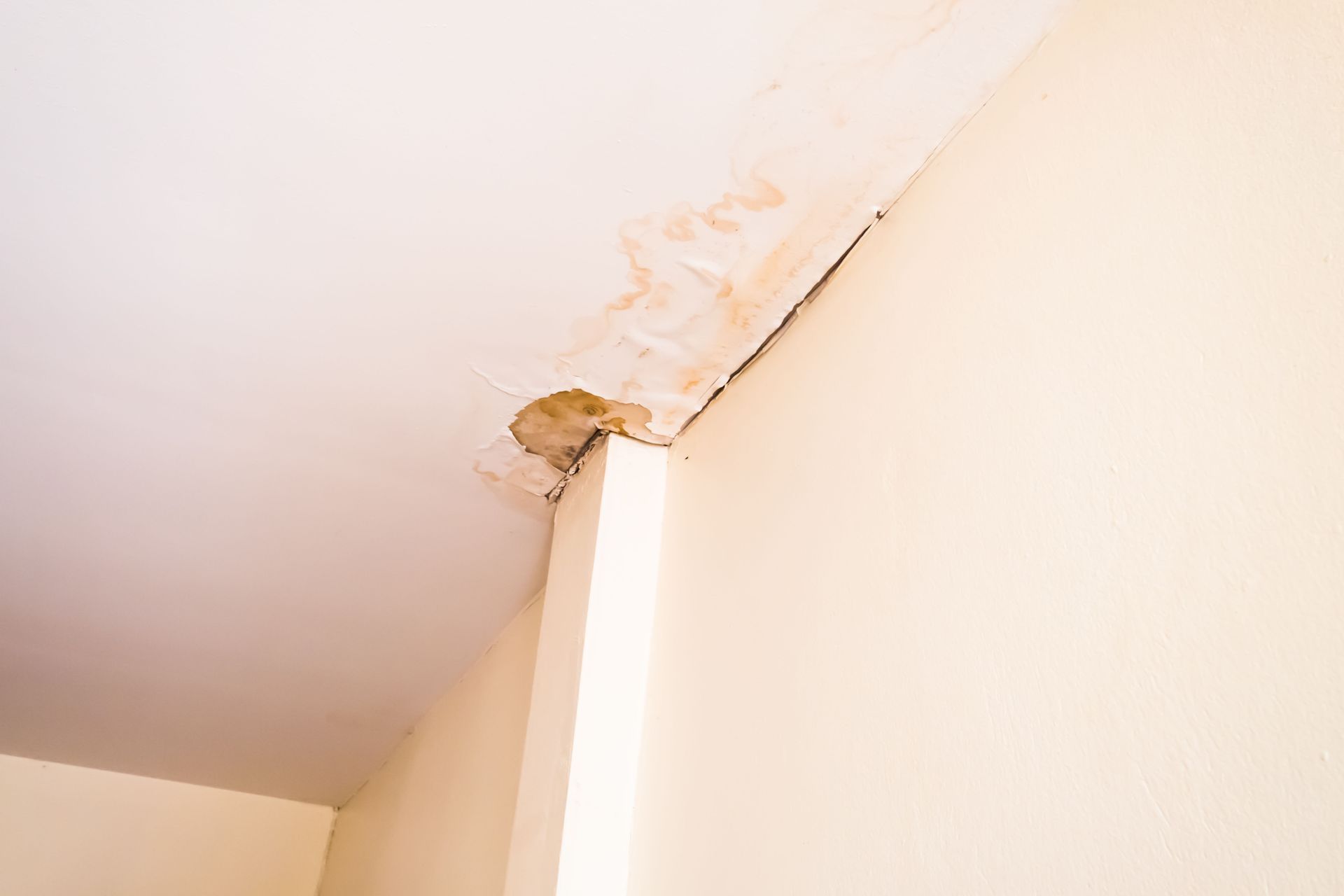
When water leaks behind drywall or plaster, it eventually tries to find a way out. Before it breaks through, it often leaves tell-tale visual signatures. Look for discoloration on your ceilings and walls. These stains typically appear as yellow, brown, or copper-colored rings. On a ceiling, this might look like a growing blotch; on a wall, it might appear as streaks running down from the crown molding. These stains indicate that water has soaked through the insulation and is now saturating the finished surface of your room.
Beyond color changes, pay attention to the texture of your walls. Paint or wallpaper that is bubbling, peeling, or cracking is a sign of moisture failure. As drywall absorbs water, it swells and becomes soft. If you press on a section of the wall and it feels spongy or soft rather than solid, the drywall is compromised. This "blistering" of paint happens because the bond between the paint and the drywall is broken by the moisture. These are not cosmetic issues; they are evidence of an active leak that is destroying your walls.
Damaged, Warped, or Buckling Flooring
Gravity dictates that water will eventually find the lowest point. In many cases, this means it settles into your subfloor. Signs of a leak often manifest in your flooring materials. If you have hardwood floors, look for "cupping" (where the edges of the planks rise higher than the center) or crowning (where the center rises higher than the edges). This warping occurs because the wood fibers swell as they absorb moisture from a leak underneath. In severe cases, the wood may darken or feel soft to the touch.
For homes with vinyl or laminate flooring, look for loose tiles or peeling edges. If you step on a specific spot in your kitchen or bathroom and water seeps up through the seams, or if the floor feels "squishy" underfoot, the subfloor is saturated. This can be caused by a leaking dishwasher, a failure in the radiant heating system, or a slab leak in the concrete foundation. Ignoring floor damage can lead to the need for extensive structural repairs, as rot can spread to the floor joists.
Water leaks are time-sensitive emergencies. The longer they are left unchecked, the more damage they cause to your home and your wallet. At Doctor Rooter Plumbing, we specialize in non-invasive leak detection and comprehensive repair solutions. We understand how stressful water damage can be, and our team is dedicated to restoring your home's integrity quickly and efficiently. If you have noticed any of these warning signs, don't wait for the problem to worsen. Contact Doctor Rooter Plumbing today to schedule plumbing services .