Residential Plumbers 101: What to Know
In this comprehensive guide, we delve into the world of residential plumbing. Whether you are a homeowner looking to understand the basics or considering a career in plumbing, this resource will cover all aspects vital to residential plumbing.
From understanding the role of plumbers in maintaining a home's plumbing to knowing about essential tools and equipment, this guide offers a detailed exploration. Additionally, we will discuss common plumbing issues and how they can be resolved efficiently to prevent costly repairs. We also provide insights into becoming a licensed plumber and the best practices for hiring professionals. Finally, we will look ahead at the future of plumbing and the evolving technologies shaping the industry.
By equipping yourself with this knowledge, homeowners can better manage plumbing tasks or make informed decisions when hiring experts. Likewise, those interested in pursuing a plumbing career will find valuable guidance on the path to licensing and advancement. Let's explore this essential aspect of residential maintenance.
Understanding the Role of Residential Plumbers
Overview of Responsibilities
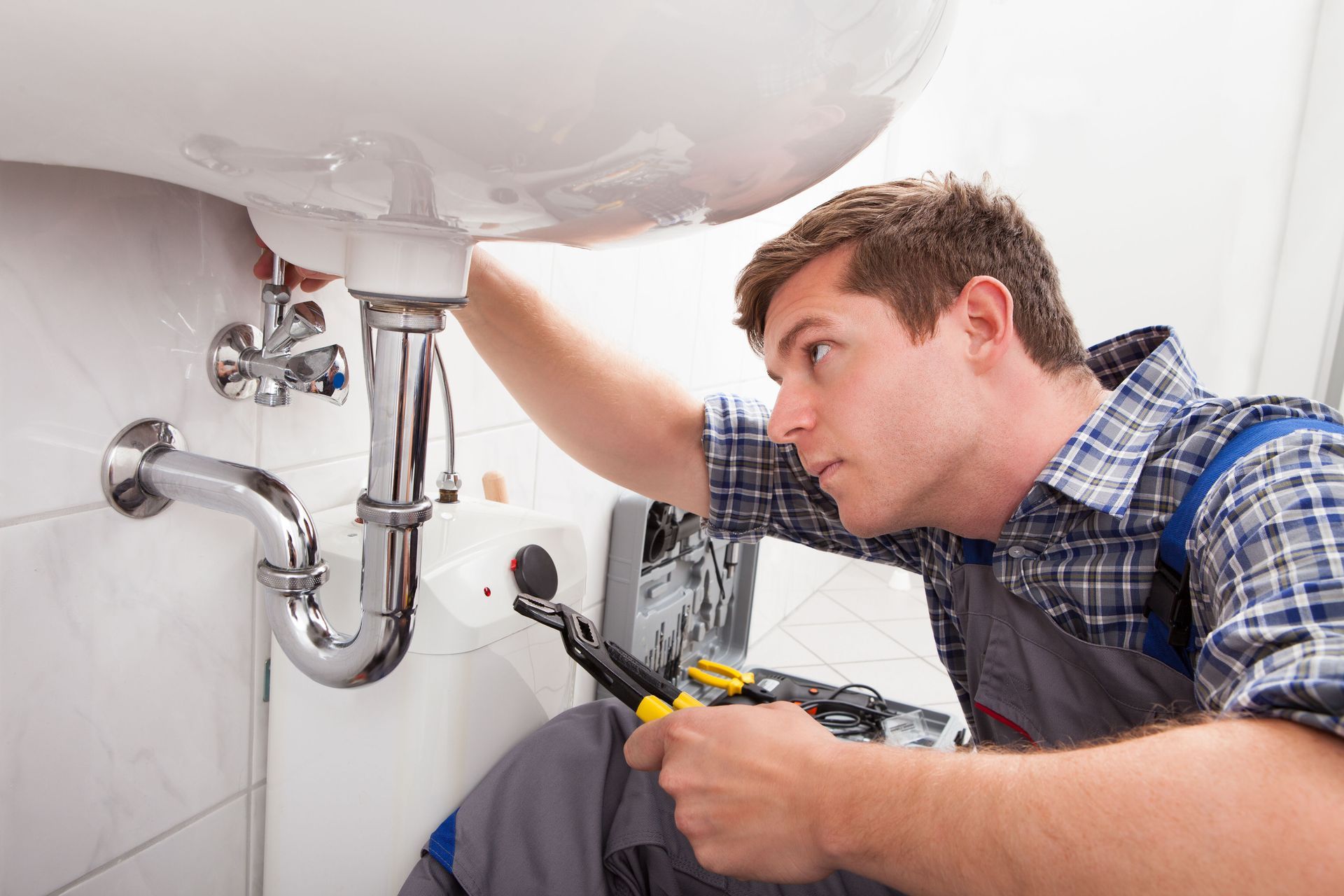
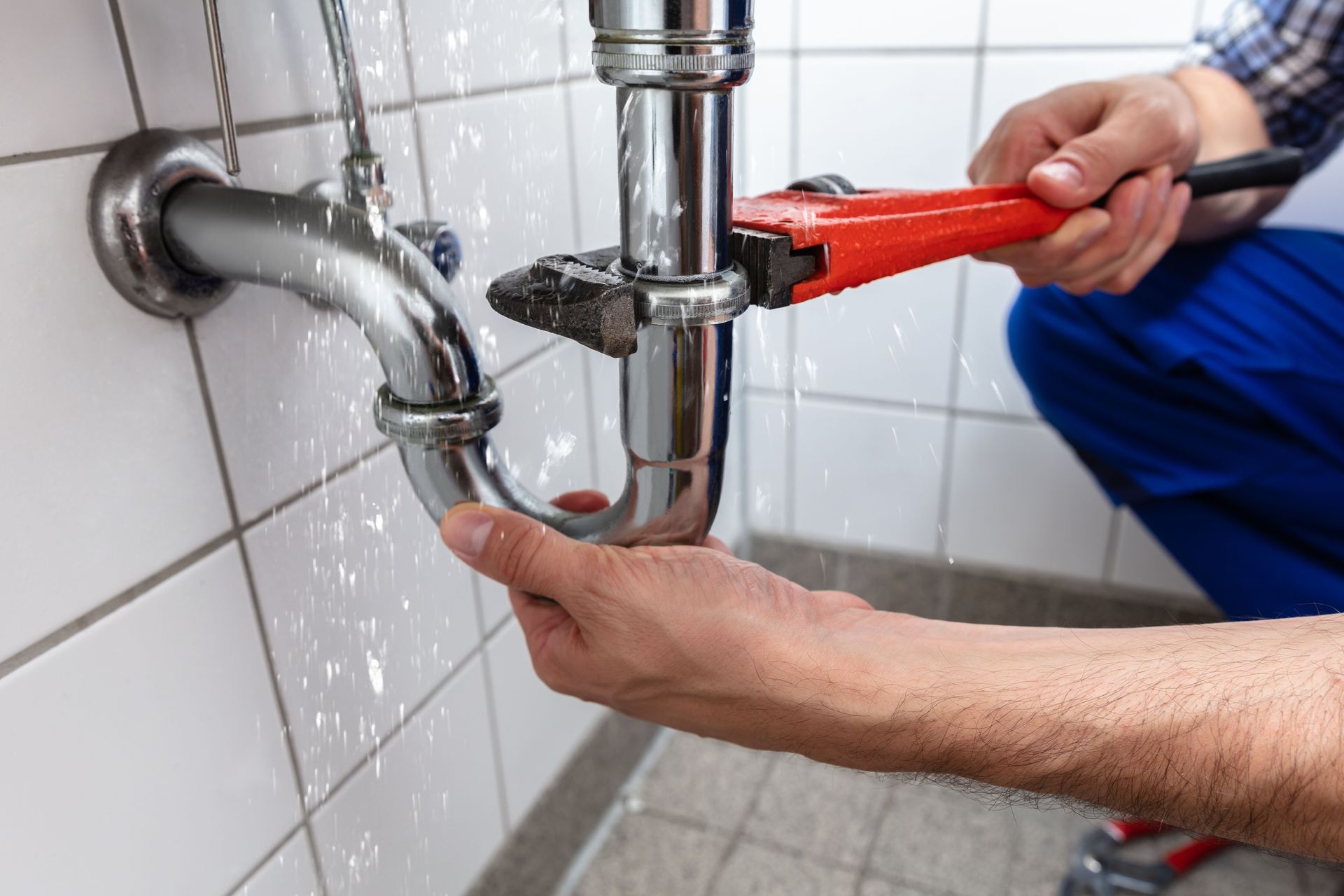
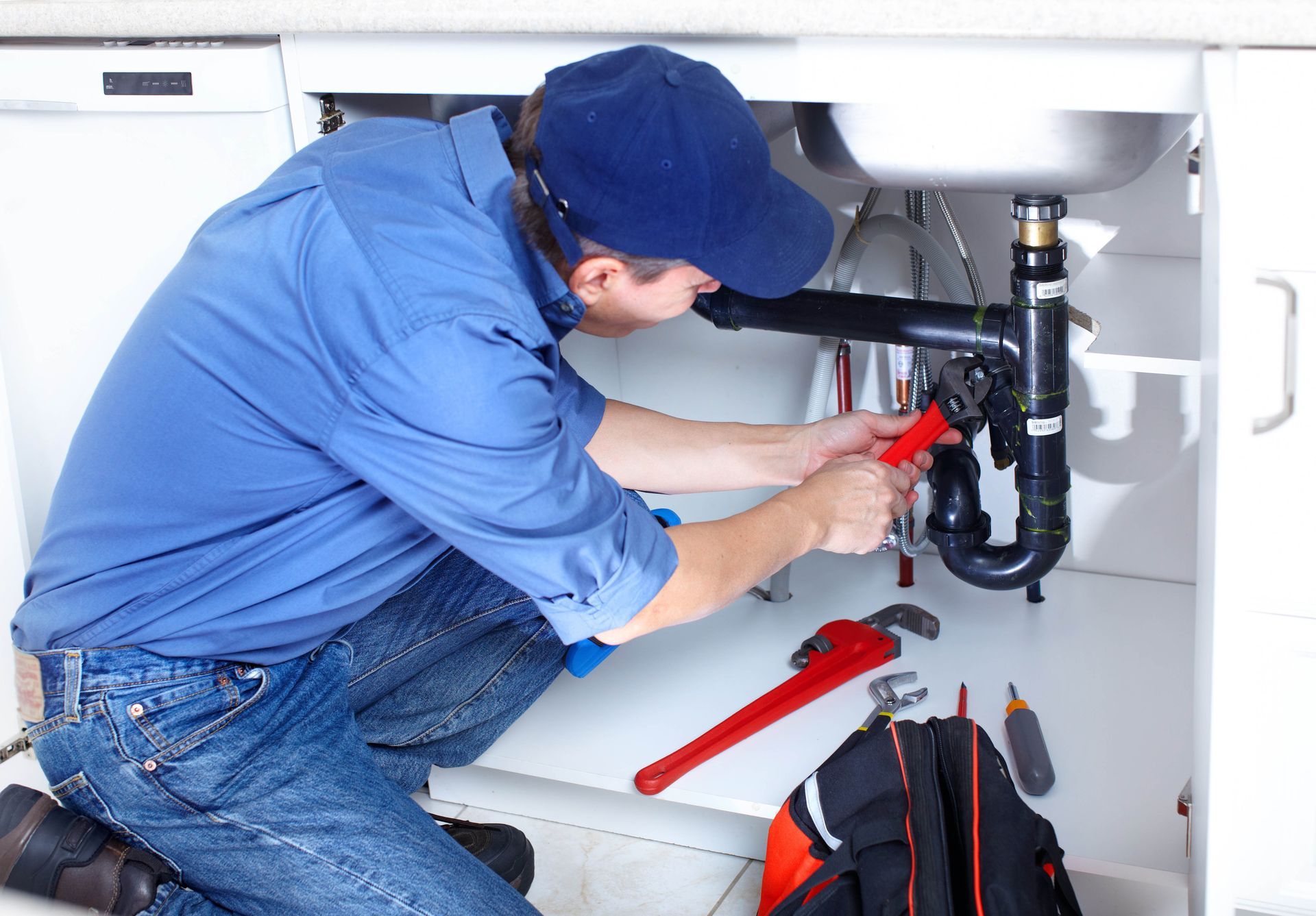
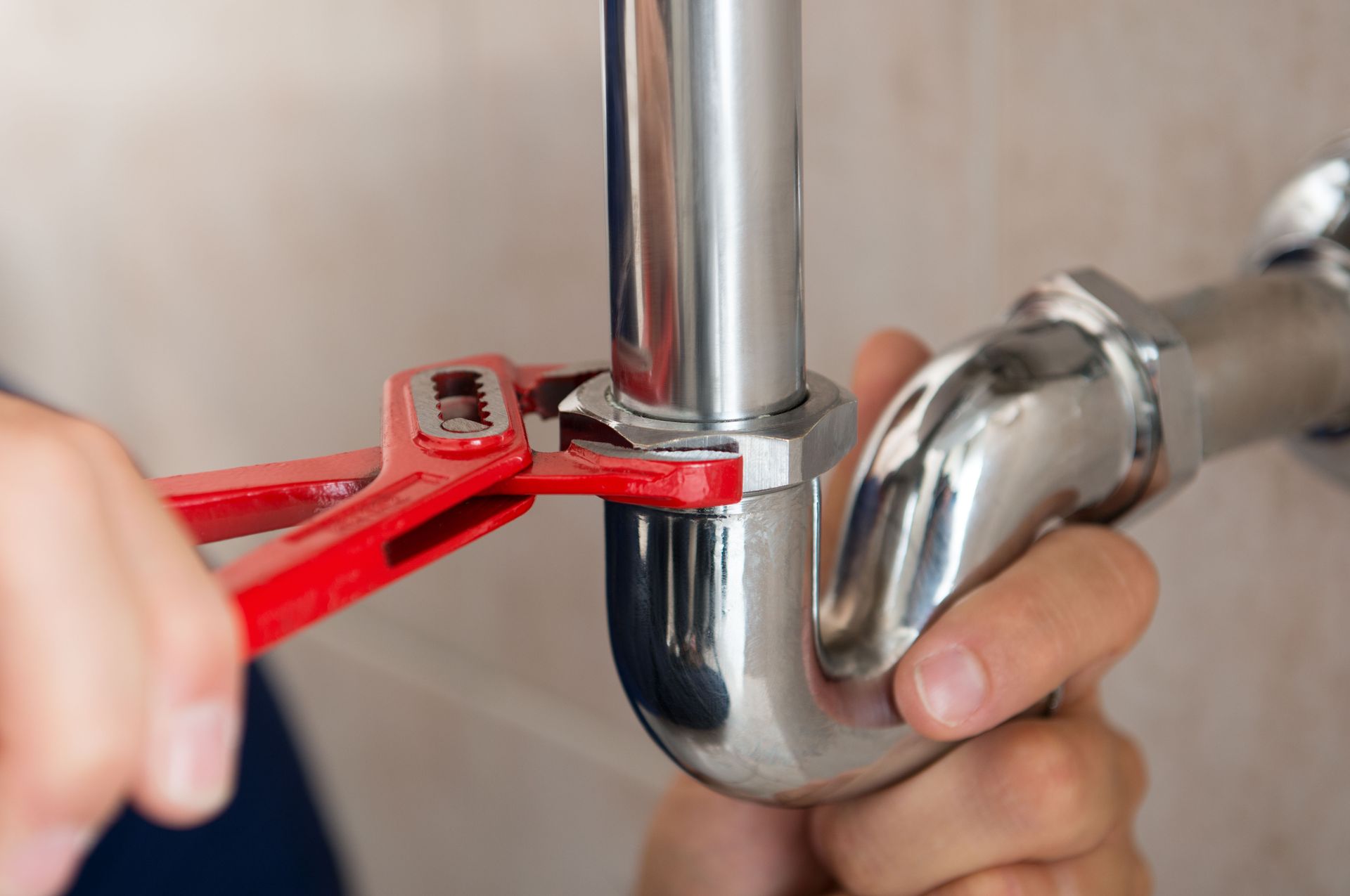
Residential plumbers are tasked with maintaining, installing, and repairing plumbing systems within homes. Their responsibilities encompass everything from installing new pipes, fixtures, and appliances to repairing leaks and blockages. By ensuring plumbing systems function correctly, plumbers help maintain the health and safety of a home's living environment. As water is a critical resource used daily, reliable plumbing systems are essential for any household. Plumbers also offer consultation and advice on system upgrades and efficiency improvements.
Their role is critical not only in daily comfort but also in long-term maintenance and sustainability of home systems. Plumbers must identify potential problems, fix existing issues, and recommend preventive measures. As residential plumbing often involves working with families or small communities, trust and professionalism are key. A plumber's ability to effectively communicate with customers can significantly impact satisfaction levels. Therefore, excellent interpersonal communication skills are as essential as technical know-how.
The work of a residential plumber is increasingly important in today's environmentally-conscious world. Homeowners are more aware of water conservation efforts and look to plumbers for modern, efficient solutions. According to the U.S. Environmental Protection Agency (EPA), fixing easily corrected household water leaks can save homeowners about 10 percent on their water bills. Efficient plumbing systems designed by competent plumbers can dramatically reduce water waste. This underlines the broader implications of a plumber's expertise in resource conservation.
Types of Plumbing Services Offered
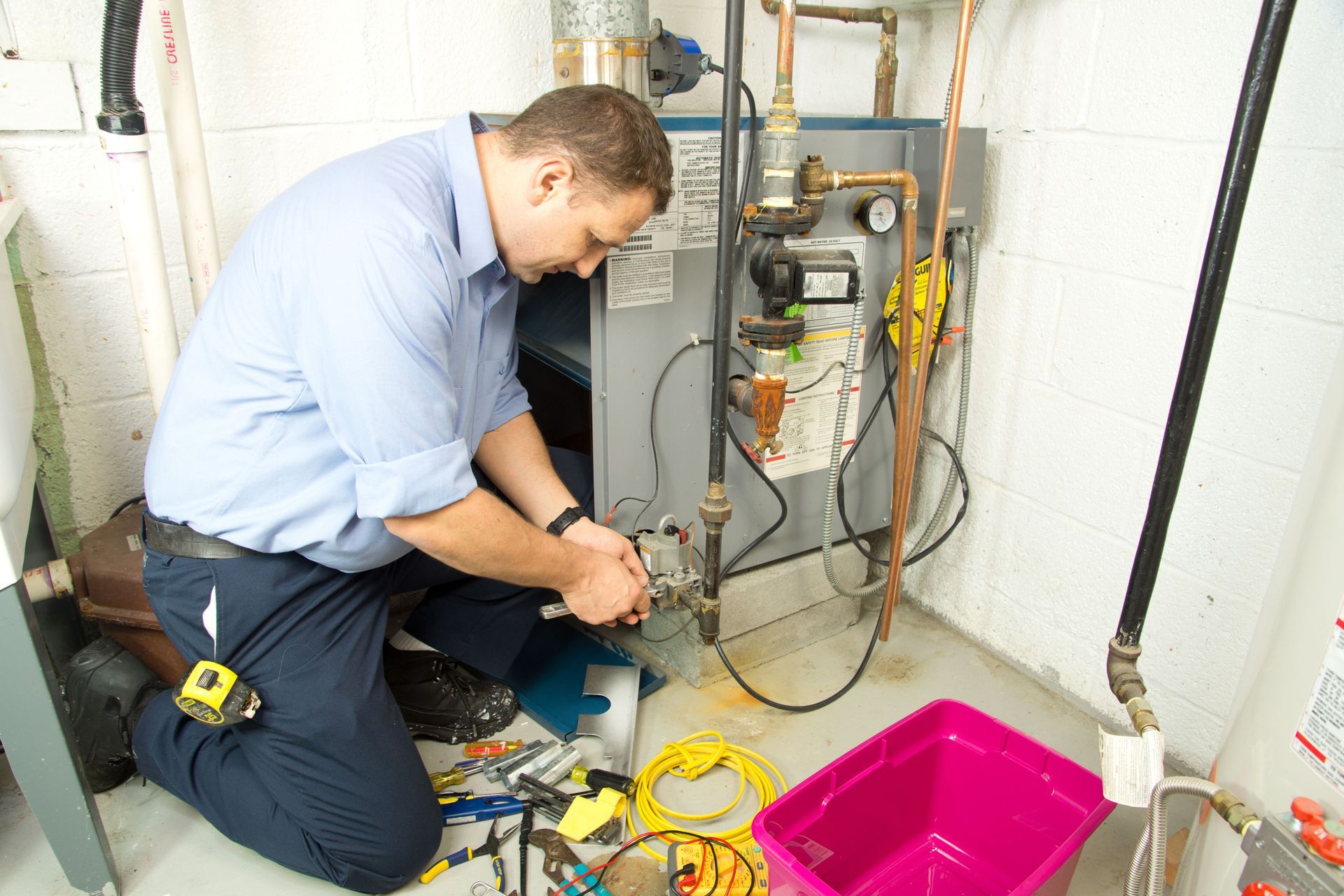
Residential plumbers provide a wide range of services to address all aspects of home plumbing. These services include routine maintenance such as pipe inspections, cleaning drains, and servicing water heaters. More specialized services may involve the installation and replacement of plumbing components like tap fittings, showerheads, or even entire bathroom fixtures. Plumbers also provide emergency services for urgent issues like burst pipes or severe leaks. Typically, they also offer advice on energy-efficient upgrades or systems to reduce utility bills and enhance sustainability.
In addition to these services, plumbers are often involved in remodeling projects. They assist in redesigning kitchen and bathroom layouts to ensure practicality and compliance with local building codes. Given their broad skill set, plumbers must often collaborate with other contractors on larger projects. This collaborative approach helps ensure that all elements of a home system function cohesively. With advancements in technology, newer plumbing services have also arisen, including the installation of smart plumbing systems.
Sustainable plumbing solutions are increasingly sought after, with services like greywater recycling and solar water heating installations becoming more common. Plumbers equipped with modern skills can provide insights into the benefits of these eco-friendly systems. The customization of plumbing solutions to fit unique homeowner needs is integral to delivering satisfactory service. As homeowners become more attuned to the ecological impact of their choices, plumbing services continue to evolve. This creates new opportunities for plumbers to innovate and expand their service offerings.
Key Differences Between Residential and Commercial Plumbing
The scope and scale of residential and commercial plumbing differ significantly, influencing both the approach and tools used. Residential plumbing focuses on individual homes or small multifamily units, often characterized by simpler, smaller plumbing systems. In contrast, commercial plumbing involves larger, more complex systems found in offices, schools, hospitals, and other large buildings. These systems must adhere to more stringent standards and often face higher usage demands. The complexity of commercial systems often requires equipment and more intricate planning and design.
In residential plumbing, the emphasis is on delivering personalized service and maintaining positive client relationships. Plumbers work closely with homeowners to address any concerns and ensure satisfaction with their work. On the other hand, commercial plumbing typically involves policy-driven, large-scale operations where efficiency and adherence to strict codes are paramount. Maintenance in commercial settings requires a systematic approach due to the scale of systems. Additionally, commercial plumbing often requires frequent collaboration with architects and engineers to accommodate building designs.
Furthermore, the regulatory environment differs for both settings. Commercial plumbing is subject to rigorous inspections and regulations given the public health implications associated with larger, mixed-use spaces. For residential plumbing, building codes and standards still apply but are less intensive. This requires residential plumbers to be adept at interpreting and adhering to local regulations, while also focusing on meeting customer expectations. Although both fields demand strong technical skills and professionalism, the customer interaction and job scope vary greatly.
Typical Day in the Life of a Residential Plumber
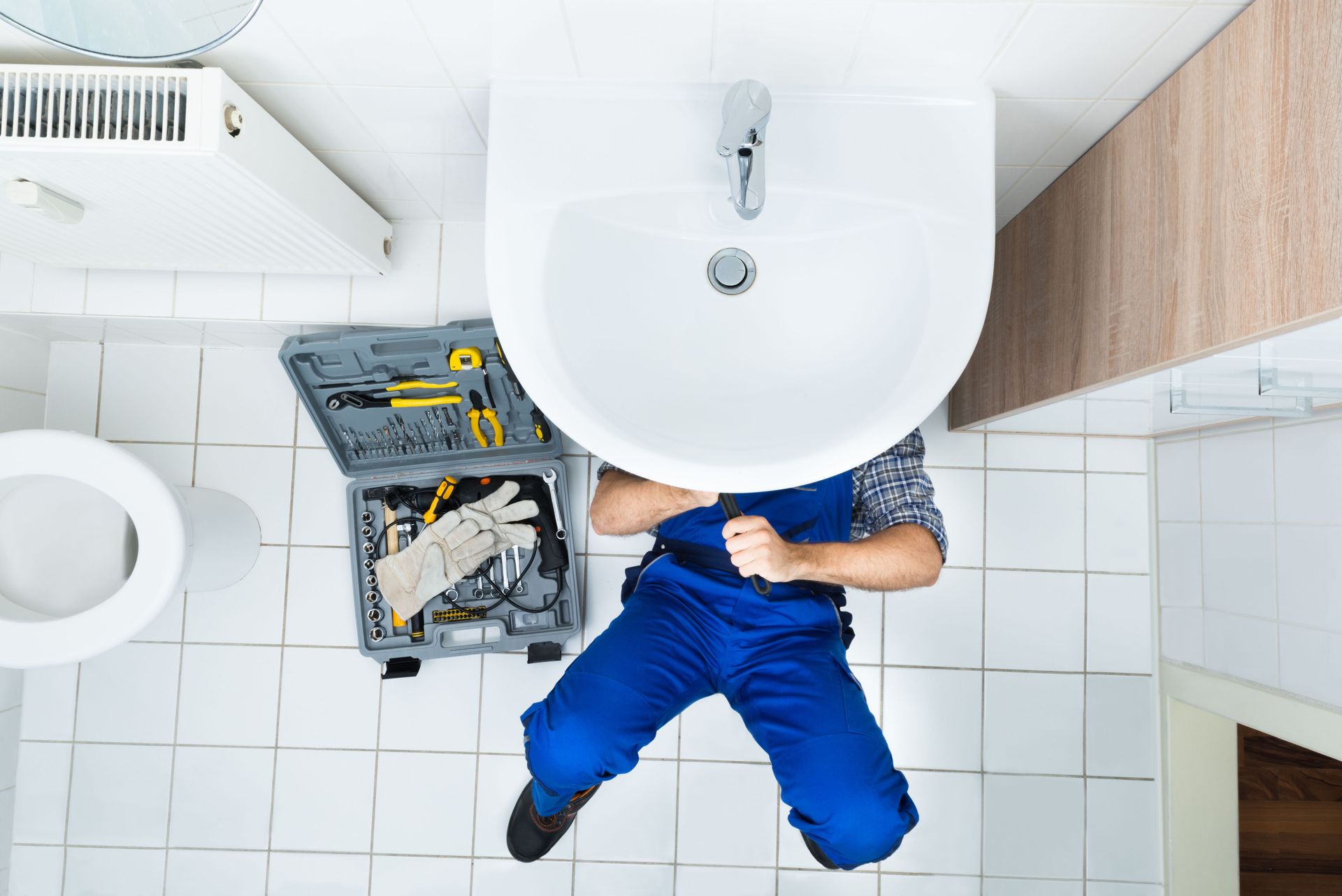
A typical day for a residential plumber begins with reviewing scheduled assignments and preparing the necessary tools and equipment. Plumbers may start their day by addressing urgent service calls, such as repairing burst pipes or dealing with severe leaks. Subsequently, they may move to routine appointments, conducting inspections and performing maintenance tasks. The role demands adaptability as plumbers are often required to troubleshoot unforeseen issues on-site. Strong problem-solving skills are crucial, as each job can present unique challenges.
Customer communication is an integral part of their day, as they must provide clear explanations and guidance regarding plumbing issues and potential solutions. Residential plumbers often interact directly with homeowners and tenants, establishing trust through reliable and efficient service. Each job may require different skills, whether it involves technical tasks or interpersonal interactions. With technology, plumbers are more connected to their supporting resources, allowing them to respond promptly to service requests. Plumbers often keep detailed records of services performed, which can help in ongoing maintenance and future planning.
Outside of specific service tasks, plumbers invest time in staying updated with the latest industry trends and technologies. Continuous learning is a staple of their career to remain compliant with building codes and efficient in offering cutting-edge solutions. At the end of the day, a plumber often reviews completed jobs, prepares reports, and plans for the following day's activities. Maintaining an organized, agile approach ensures readiness for unexpected calls and helps deliver high customer satisfaction. Overall, the diverse nature of the work ensures no two days are alike, keeping the job engaging and challenging.
While plumbing requires extensive technical knowledge and expertise, exceptional customer service skills are equally vital. Communication with customers starts from the initial contact and extends through service delivery and follow-up communications. Plumbers must listen carefully to comprehend customer needs and offer clear and concise advice on plumbing solutions. By addressing concerns and queries attentively, plumbers can build strong rapport and trust. Trust is paramount in residential plumbing since customers often require timely responses to pressing, personal issues in their homes. Be sure to reach out to Doctor Rooter Plumbing today to learn more about our professional residential plumbers!
Share On: